
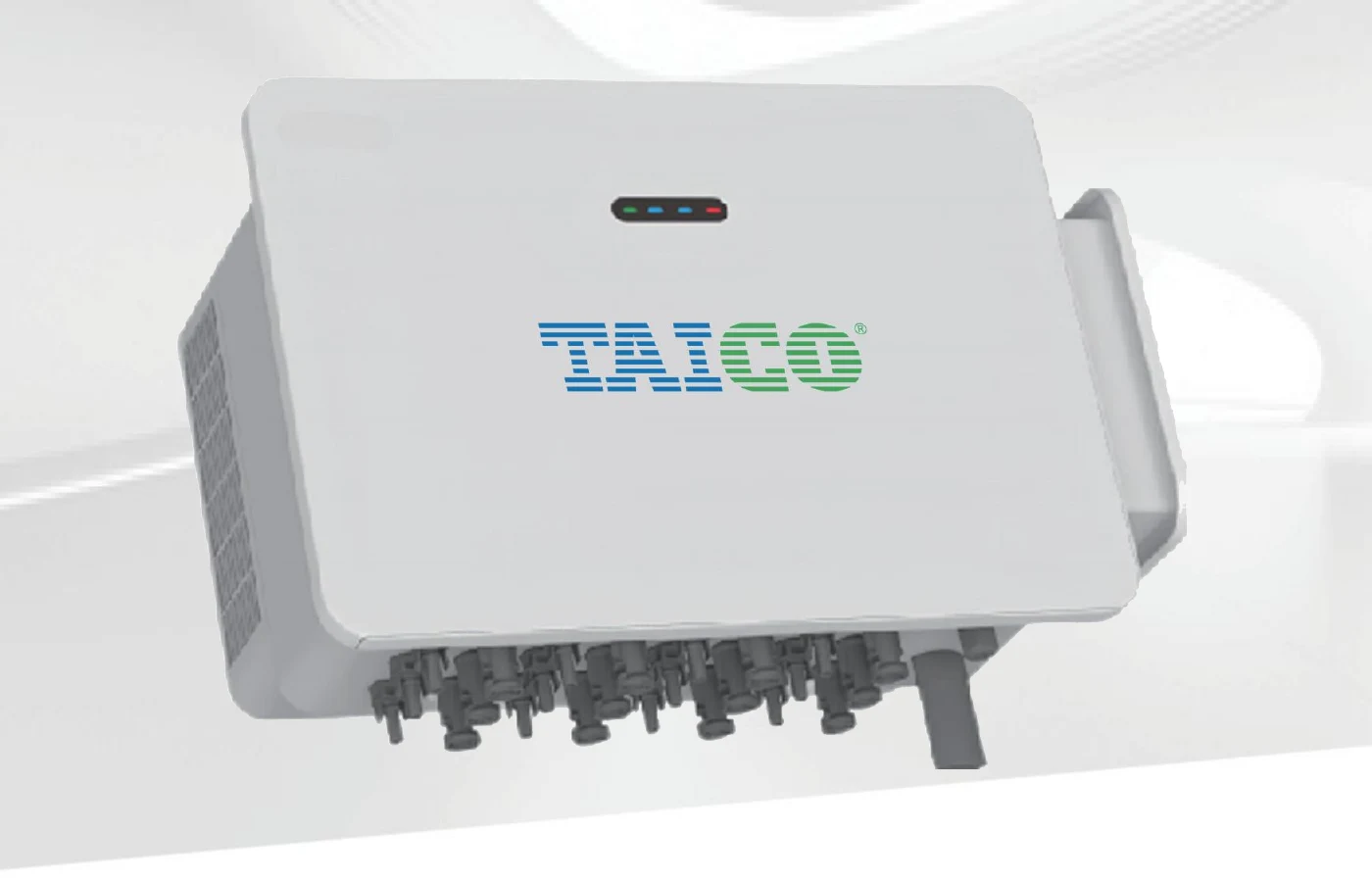
Solution 01 · Cost control
Peak Shaving & Demand Charge Reduction
Shift industrial and commercial load away from expensive peak windows.
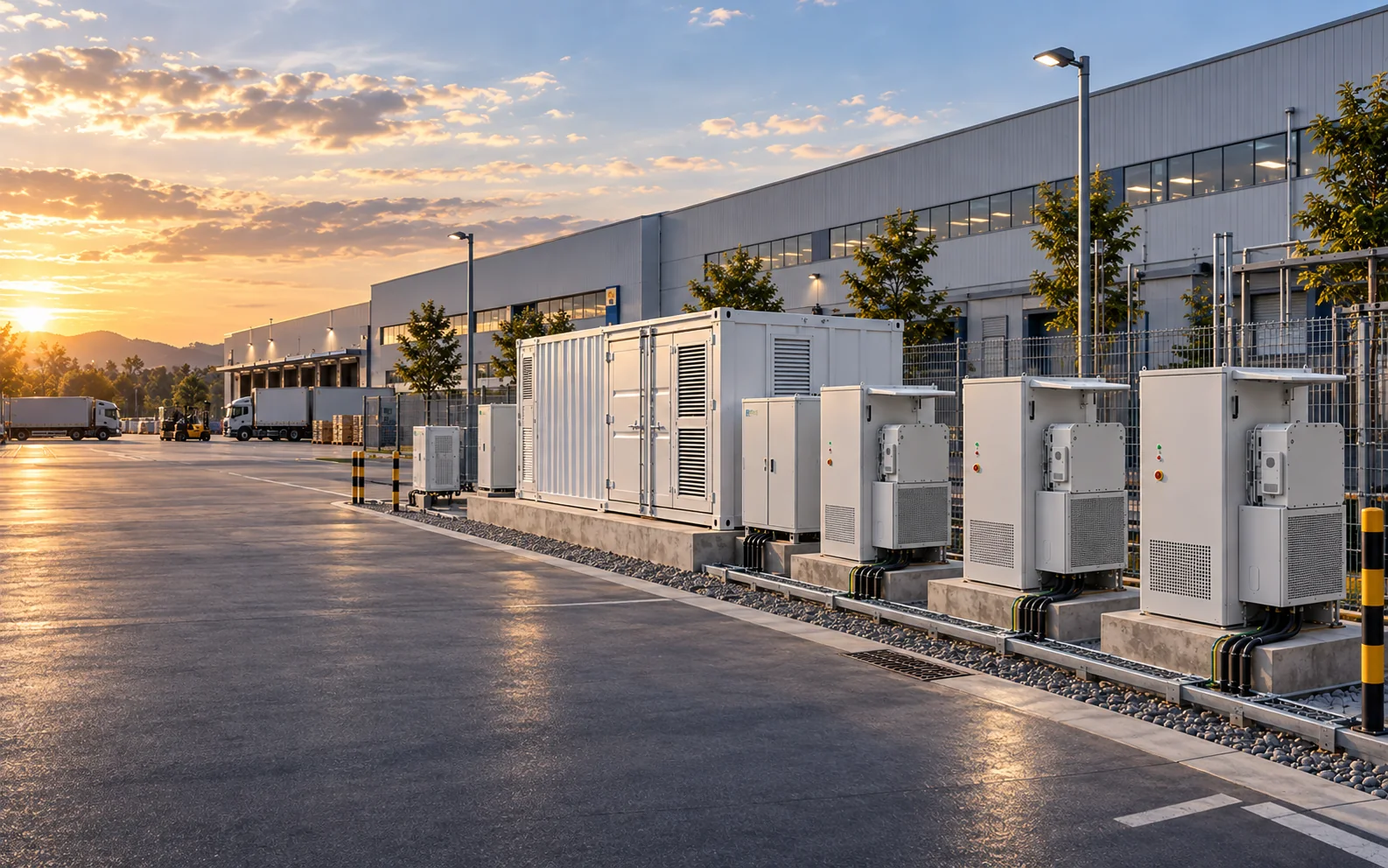
Containerized and cabinet ESS systems store off-peak or PV energy and discharge during high-tariff periods to reduce demand charges.
Peak-shaving application context. AI-generated editorial image using TAICO reference assets, not a customer project.
Operating constraints
- High basic electricity and demand charges from continuous operations
- Peak loads raise capacity fees and expansion cost
- Tariff arbitrage requires controllable charge and discharge windows
Configuration path
- 01Map load profile, tariff structure, and available interconnection capacity
- 02Select container, cabinet, or all-in-one ESS capacity and power rating
- 03Confirm EMS strategy, grid code, and final configuration before quotation
Initial product match
Catalog-supported starting points
Initial match only. Final configuration depends on load profile, energy demand, site supply, PV resource, and deployment requirements.
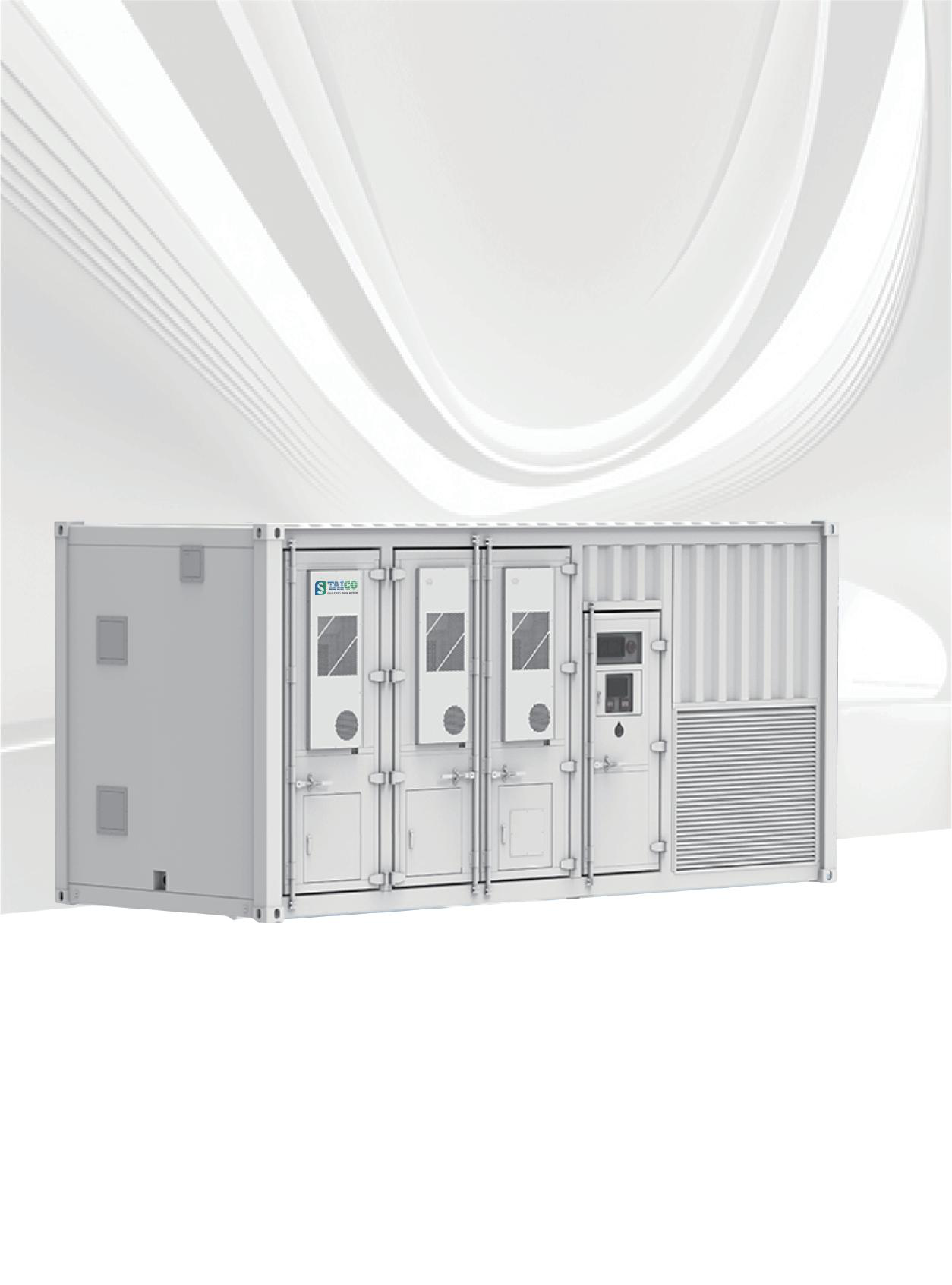
TKS E-Cube A1000
Containerized Hybrid ESS
1028 kWh · 500 kW
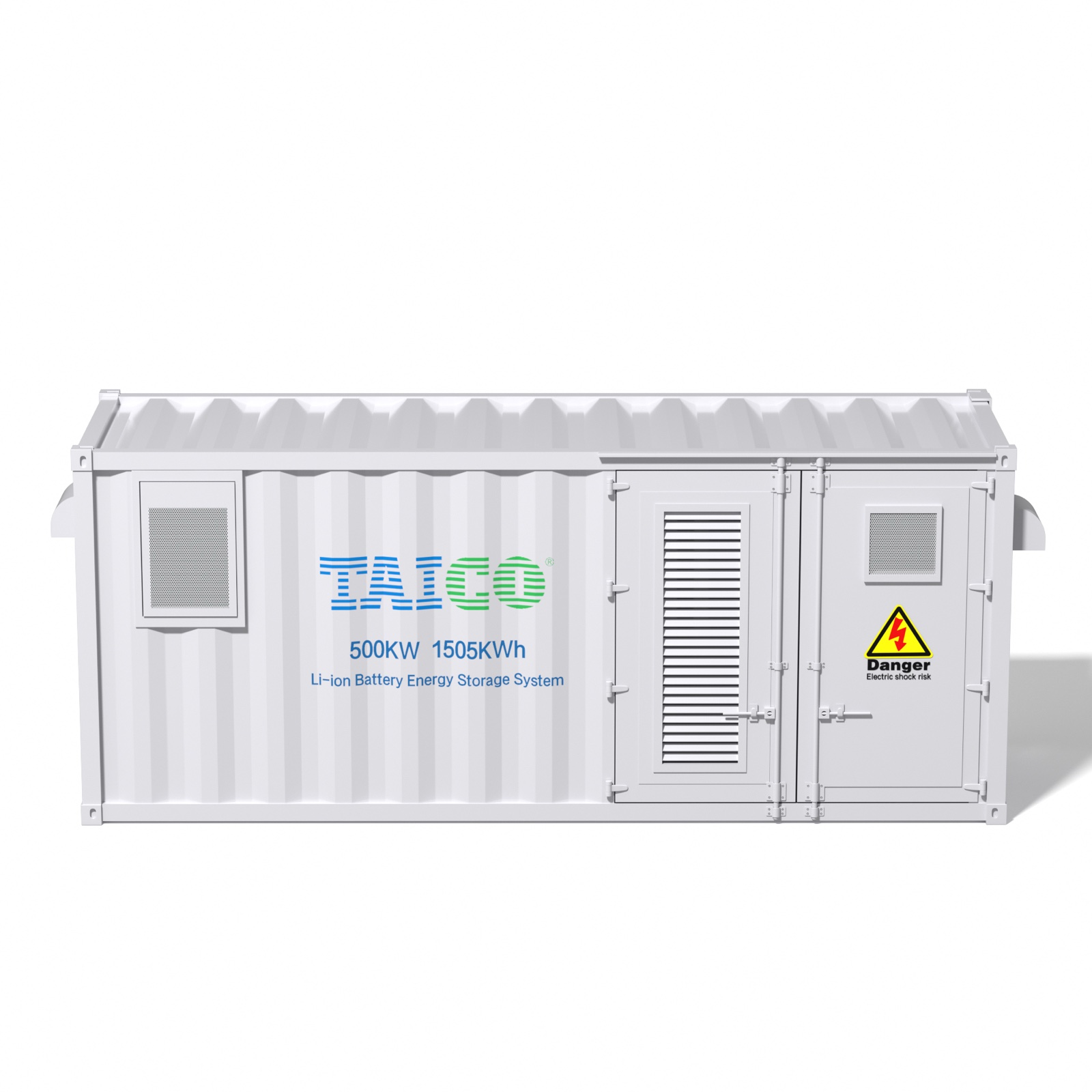
TKS E-Cube A1500
Containerized Hybrid ESS
1543 kWh · 500 kW
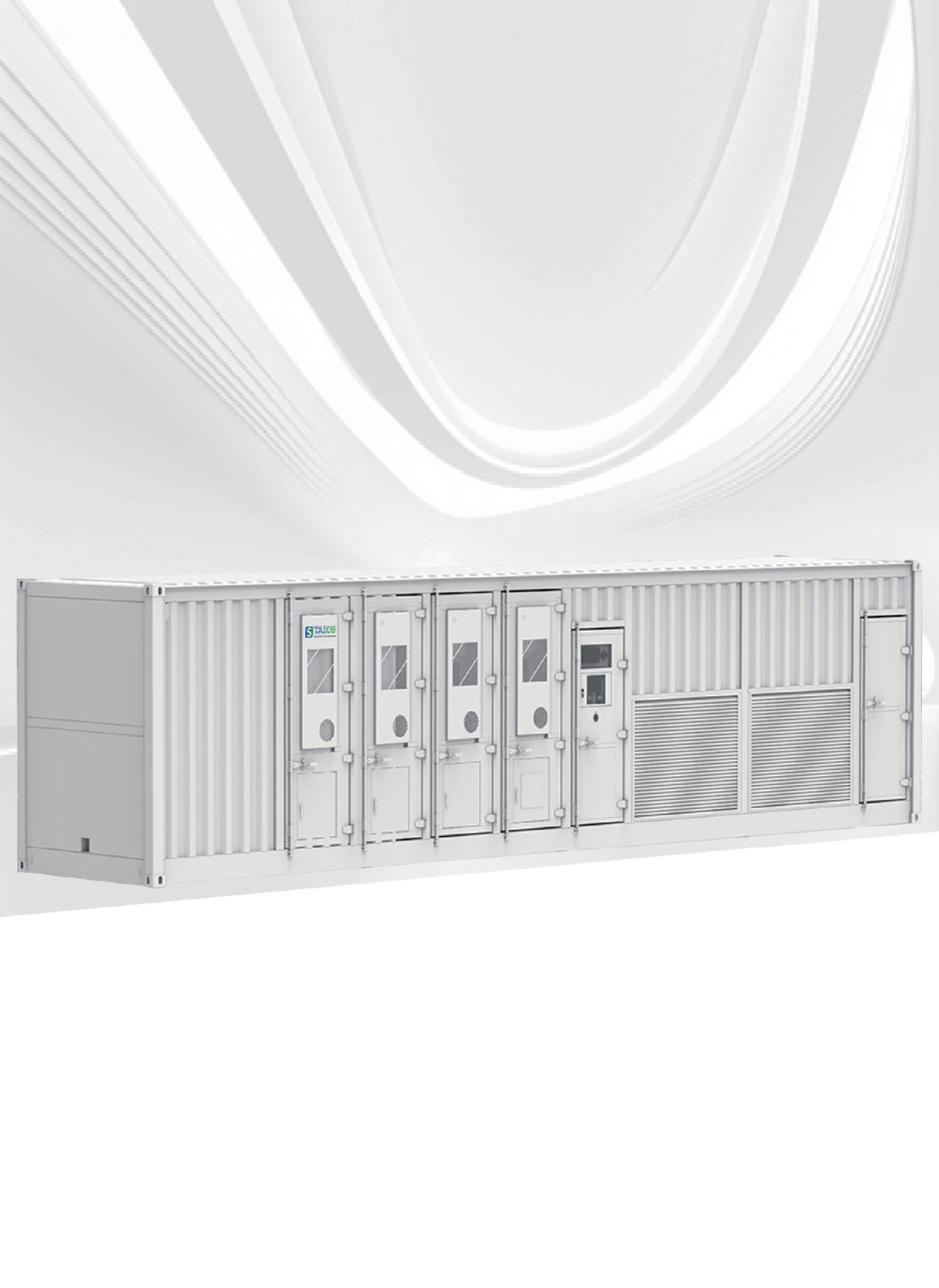
TKS E-Cube A2000
Containerized Hybrid ESS
2058 kWh · 1000 kW
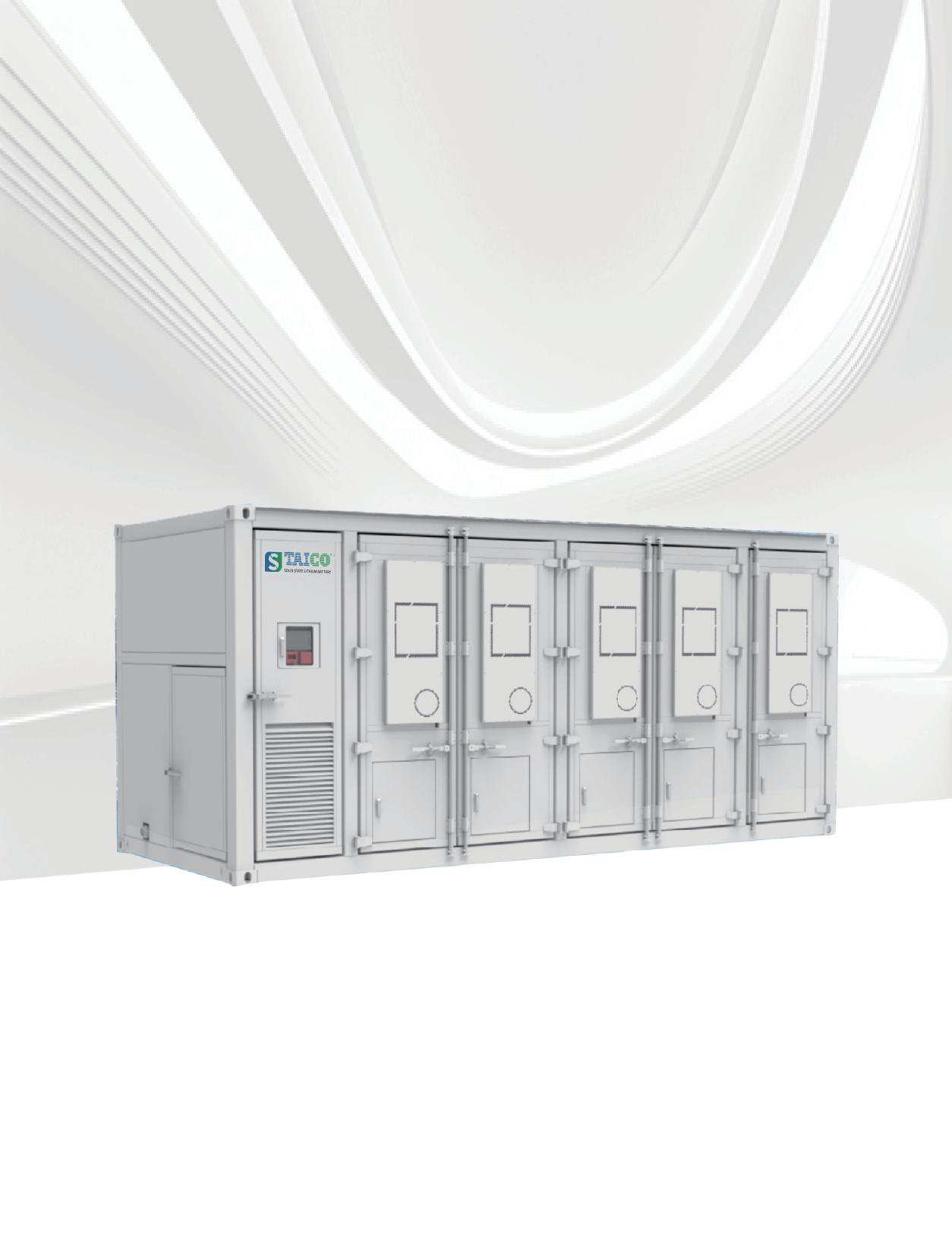
TKS E-Cube A2570
Containerized BESS
2570 kWh · 1285 kW
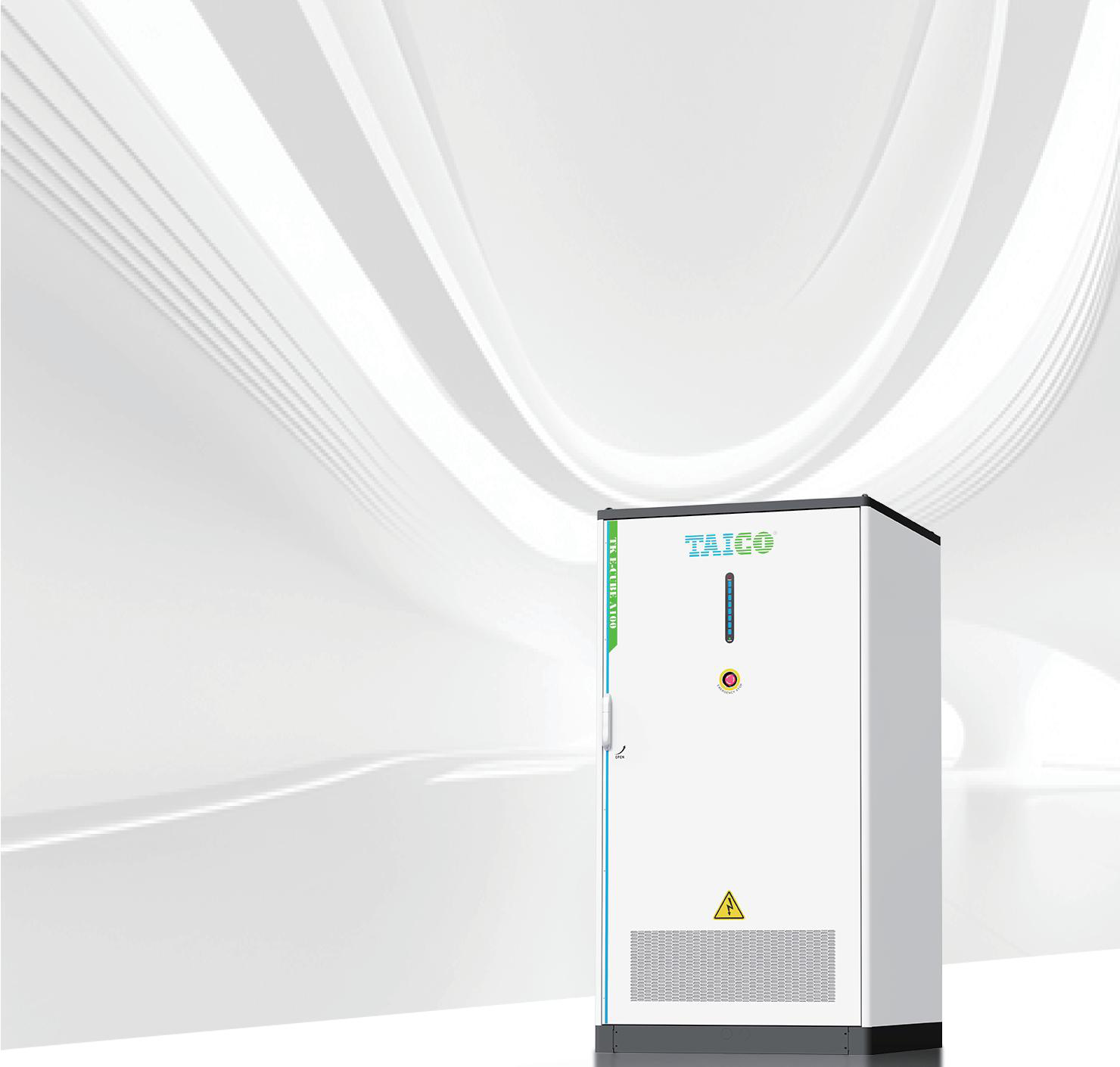
TKS E-Cube A100
All-in-One ESS
112 kWh · 64 kW
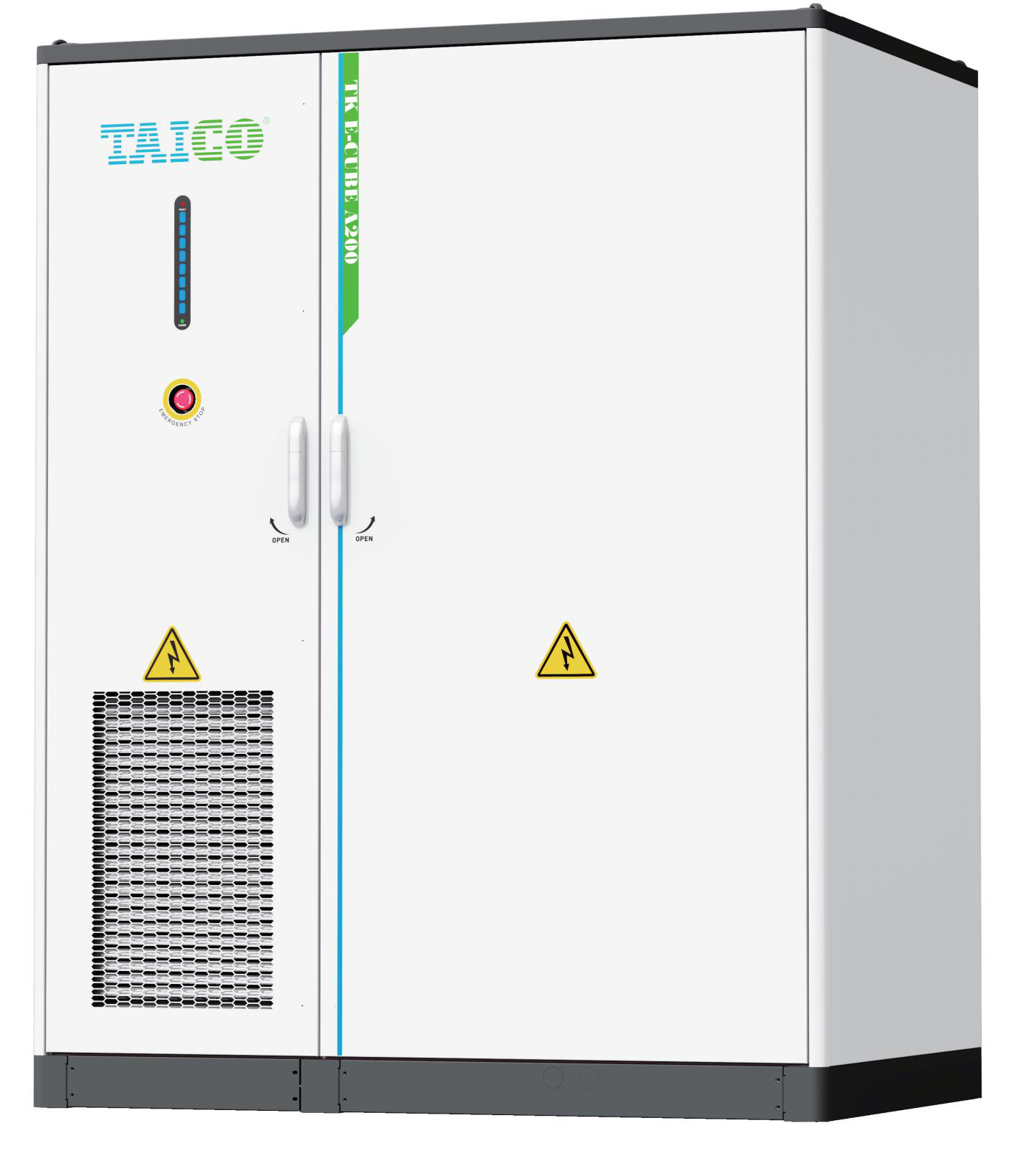
TKS E-Cube A200
All-in-One ESS
200 kWh · 100 kW
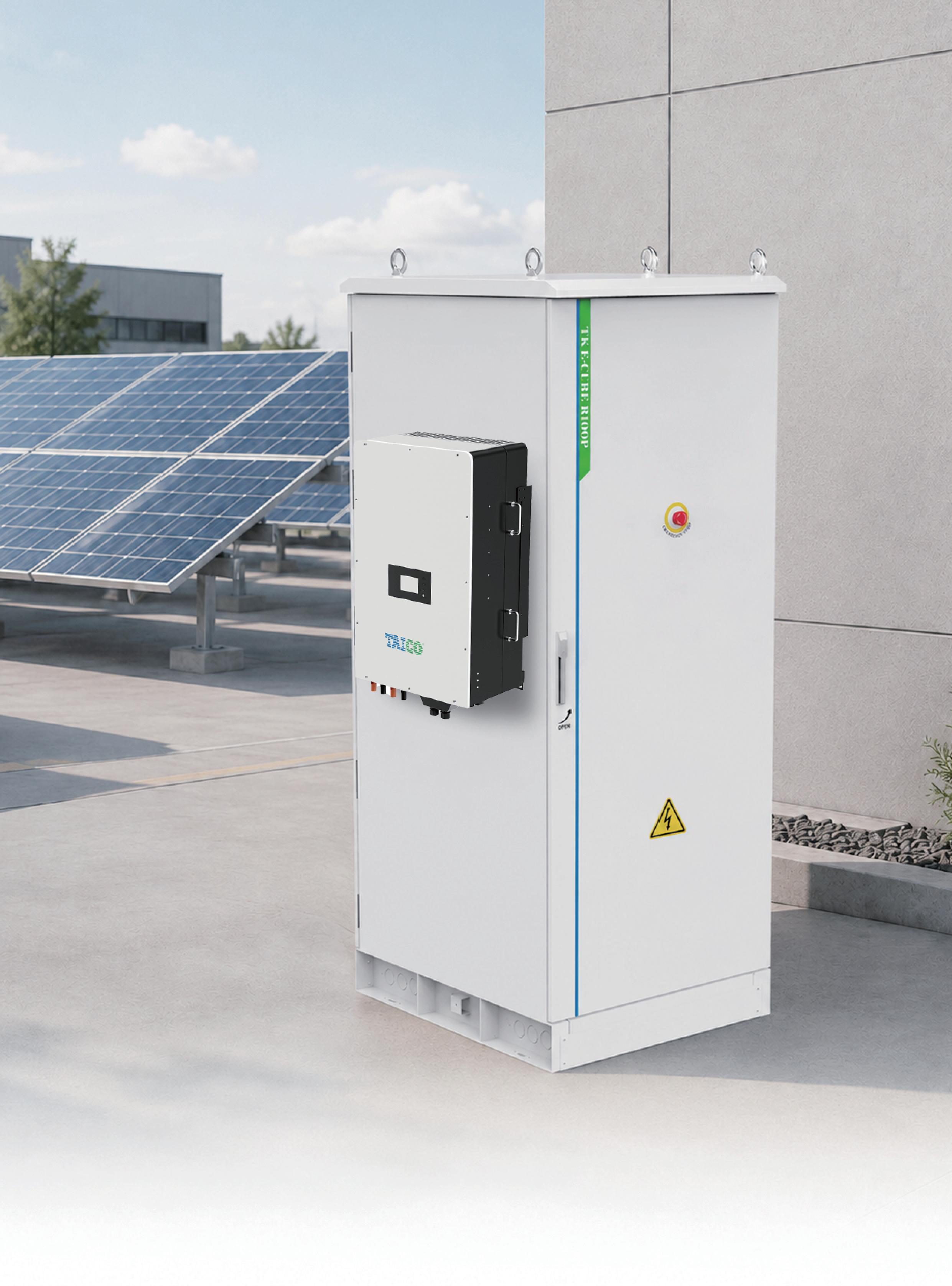
TKS E-Cube R100P-112
Cabinet ESS
112 kWh · 50 kW
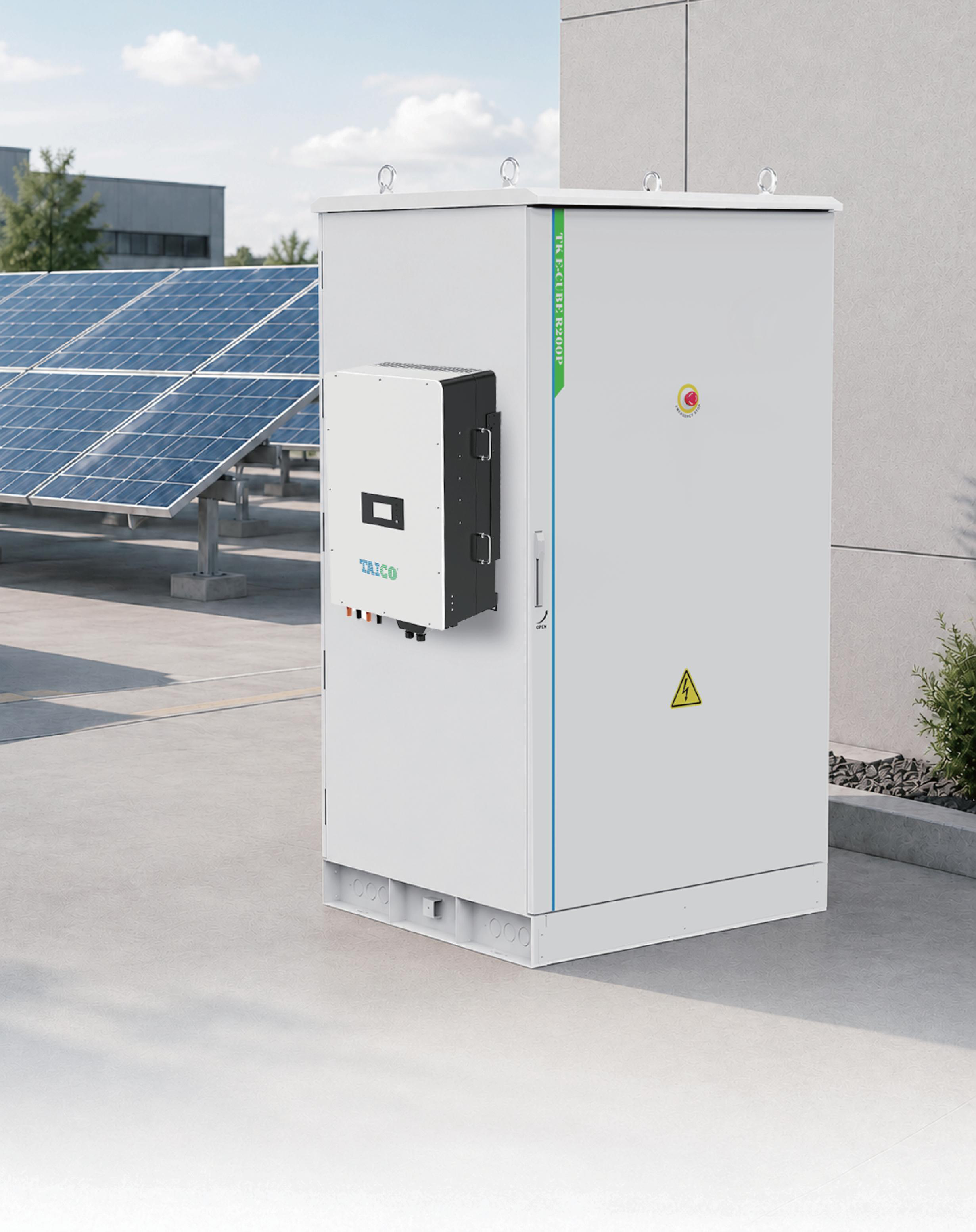
TKS E-Cube R200P-241
Cabinet ESS
241 kWh · 125 kW
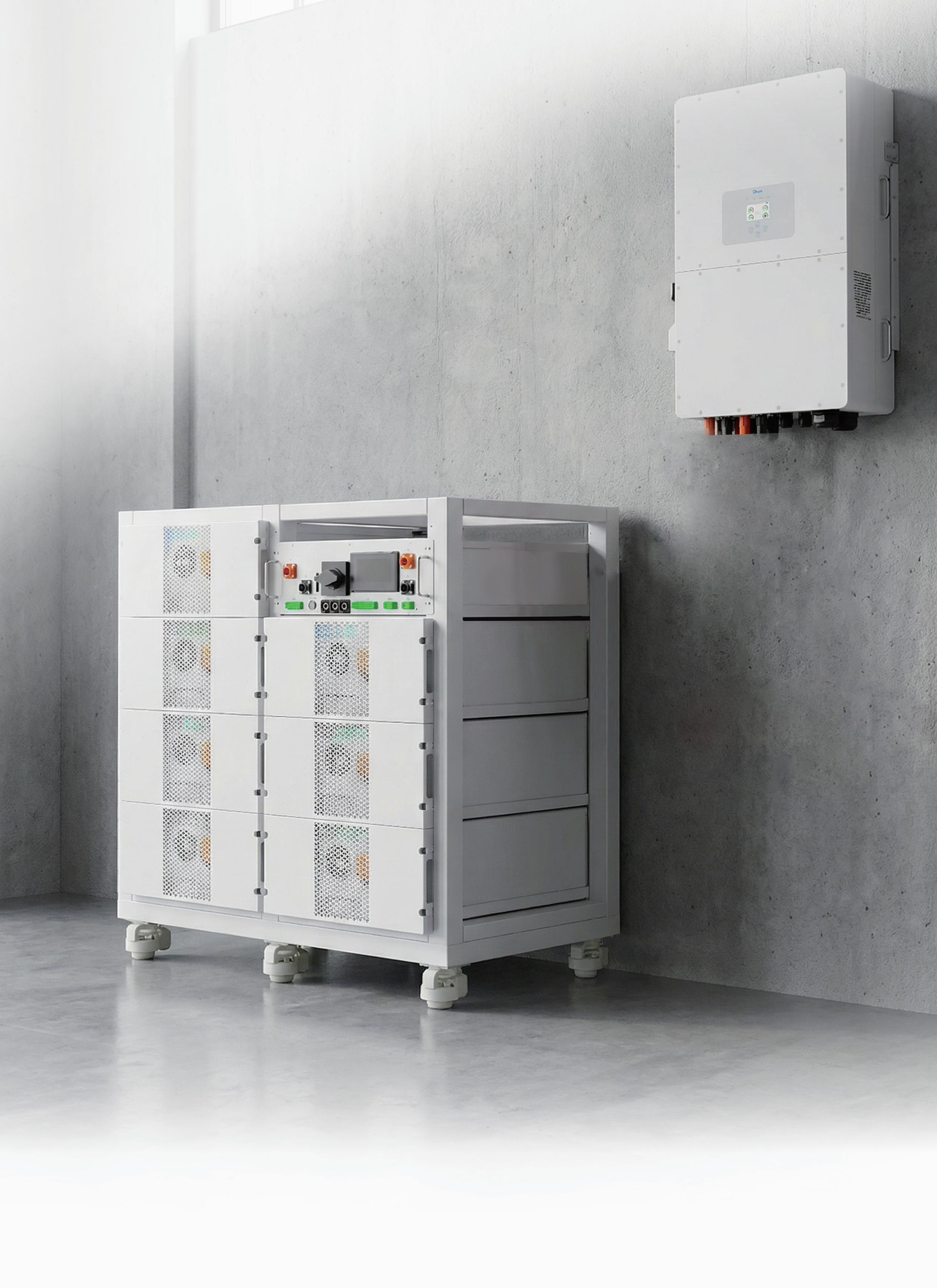
TKS E-Cube R100-177
Rack ESS
177 kWh · 80 kW
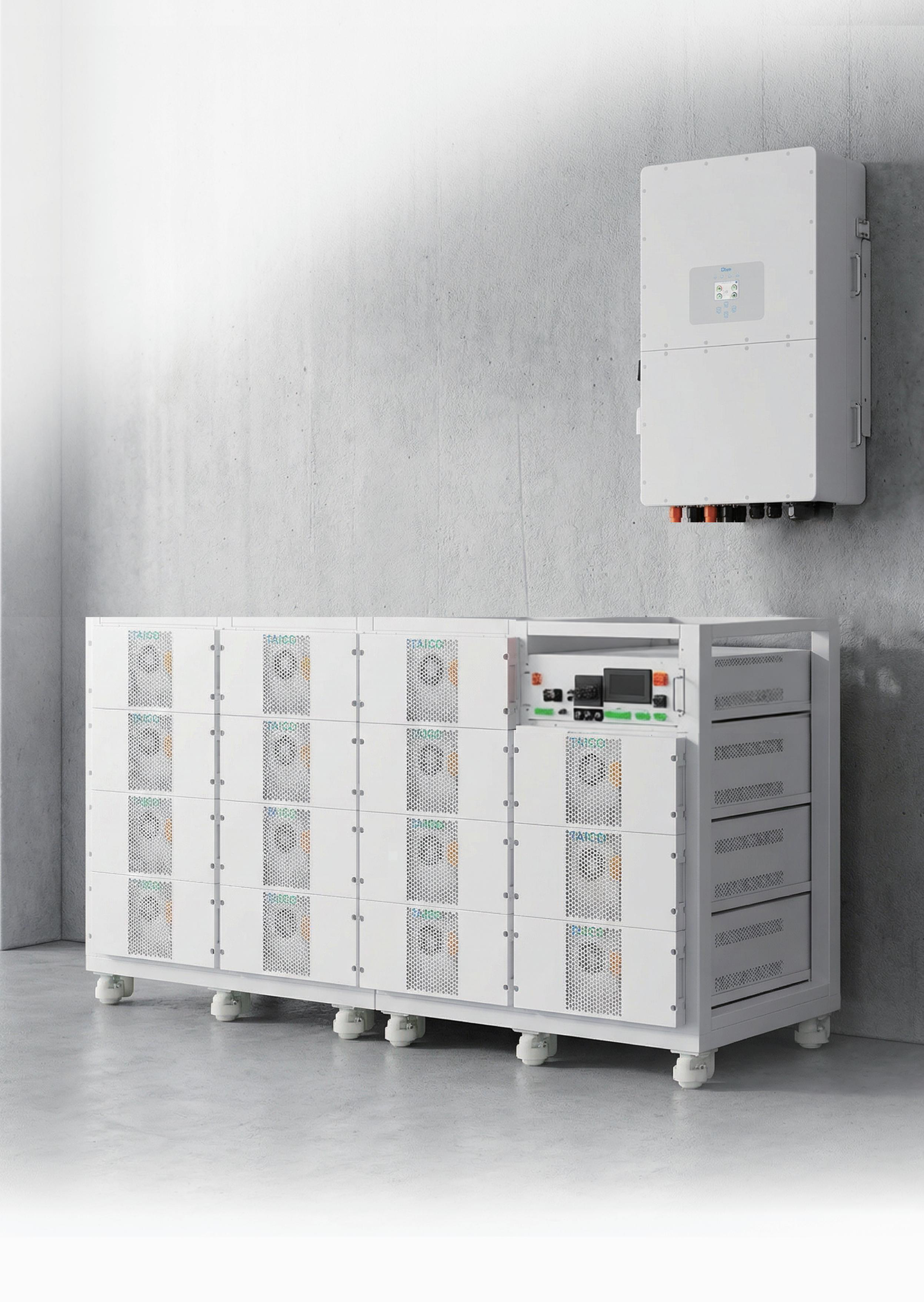
TKS E-Cube R200-241
Rack ESS
241 kWh · 125 kW
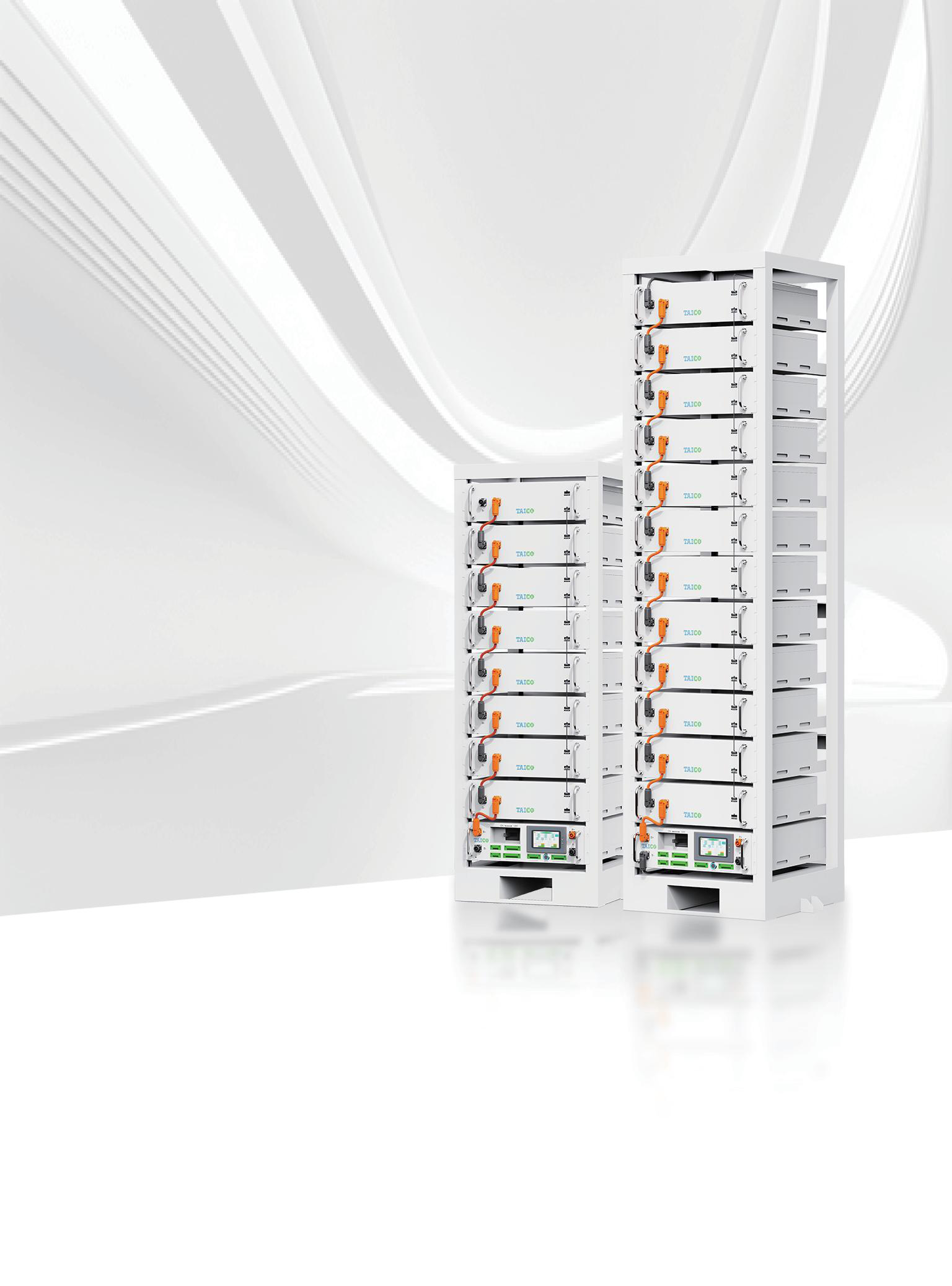
TK E-Cube H40
High-Voltage Rack Battery
40.96 kWh · 40.96 kW
Project planning
Estimate your backup needs
Share the critical load and backup time you have in mind to get a preliminary battery energy estimate.
Other solutions
Discuss Peak Shaving & Demand Charge Reduction
Share your load profile, tariff structure, site constraints, and deployment timeline. We will map an ESS configuration.